

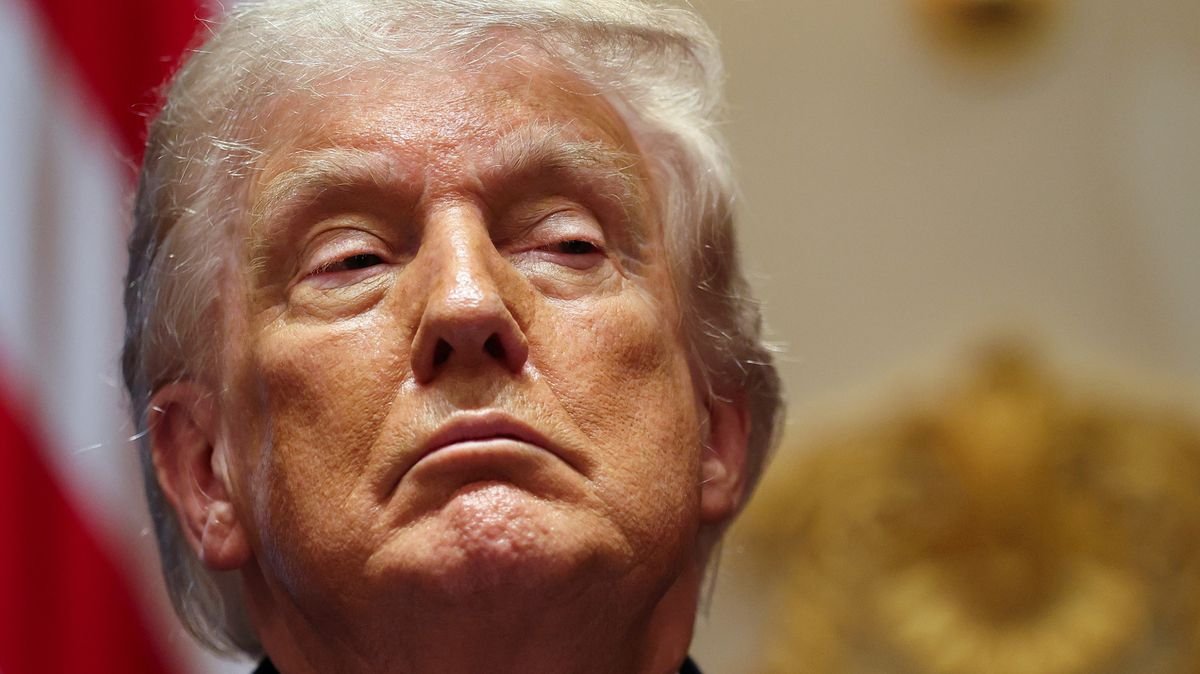
President Donald Trump is said to have requested revisions to an initial Iran war ceasefire arrangement crafted by US and Iranian negotiators. The President has formulated a more stringent peace framework and forwarded the revised agreement to Tehran for review, according to three officials familiar with the talks as reported by the New York Times.
Concerns have been raised by Trump regarding certain elements of the potential deal, particularly the provision to unfreeze funds for Iran, as stated by two officials. In a meeting on May 29th, President Trump and his top aides convened in the Situation Room for approximately two hours to deliberate on the agreement’s implications for Iran. However, no official announcement was made following the discussions.
Previous negotiations on the memorandum of understanding, the official document in question, have centered on Iran’s control of the Strait of Hormuz and the subsequent US blockade of the shipping route, alongside restrictions on Tehran’s nuclear capabilities.
Iranian officials have emphasized that they are proceeding cautiously in the discussions with the US, emphasizing the need for any agreement to safeguard Iran’s national interests. Progress has been made on various fronts, with ongoing exchanges of amendments, messages, and proposals facilitated by Pakistani intermediaries.
Key economic issues are at the core of the negotiations, with focus on Iran’s frozen assets in the US, requests for a reconstruction fund, and exemptions from restrictions on oil and petrochemical sales. President Trump has reportedly strengthened the terms of the potential peace deal with Iran and dispatched the revised memorandum of understanding back to Tehran for evaluation, sources disclosed to the New York Times.
Details of the modifications made to the document were not immediately disclosed. Trump’s reservations about unfreezing Iranian funds under the deal, a move he has criticized in the past, have been highlighted in the report. The President has become increasingly impatient with Tehran’s perceived sluggish response and has introduced a more robust strategy to accelerate the negotiation process by exerting pressure on Iran to accept the terms.
The proposed framework is expected to halt the US-Israeli operation in Iran in exchange for Iran lifting its blockade of the Strait of Hormuz, with unresolved issues like Iran’s nuclear capabilities set for future negotiation rounds.

