

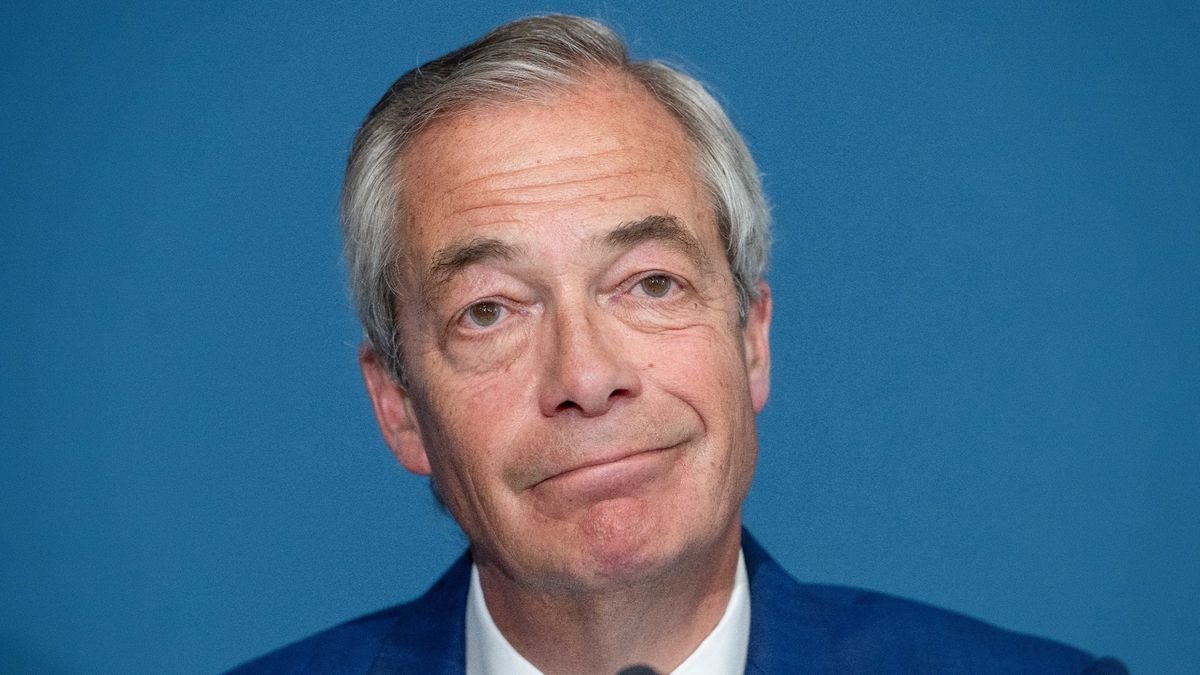
Nigel Farage is encountering a potential challenge from the emergence of a more extreme right-wing party called Restore Britain, spearheaded by wealthy figure Rupert Lowe and gaining momentum with backing from Elon Musk.
This new party, led by former Reform MP Lowe, has vowed to tackle issues like mass immigration by proposing drastic measures such as housing asylum seekers in tents and advocating for the deportation of millions of individuals. Restore Britain’s radical agenda also includes plans to eliminate the asylum system, inheritance tax, foreign aid, and redirect funds from diversity programs to support the armed forces.
In addition, Restore aims to strengthen the teaching of Christian heritage, ban the burqa, and hold a referendum on reinstating the death penalty. Despite its limited grassroots support, Restore has the potential to impact the upcoming Makerfield by-election, posing a challenge to Farage’s Reform party.
Facing criticism over social media posts by their candidate, Reform is now confronted with a threat from the right flank in the form of Restore Britain. Recent polling in Makerfield shows Labour narrowly leading over Farage’s party, with Restore Britain gaining 7% support.
Acknowledging the competition, Farage has emphasized the importance of not supporting Restore, signaling the potential impact of the new party on Reform’s electoral prospects. Polling expert Sir John Curtice suggests that Restore Britain’s rise could affect Reform’s standing nationally, potentially costing them seats and complicating their path to forming a government.
Elon Musk’s involvement in Restore’s online presence, combined with Lowe’s significant social media following, has amplified the party’s reach beyond traditional political boundaries. Observers note a growing focus on Restore in certain voter groups, particularly among right-leaning individuals who see it as a more extreme version of Reform.
The emergence of Restore poses an identity crisis for Reform, with implications for their electoral performance. The presence of Restore in the political landscape underscores the fragmentation of UK politics and the challenges faced by established parties in navigating a diverse and evolving electorate.

